

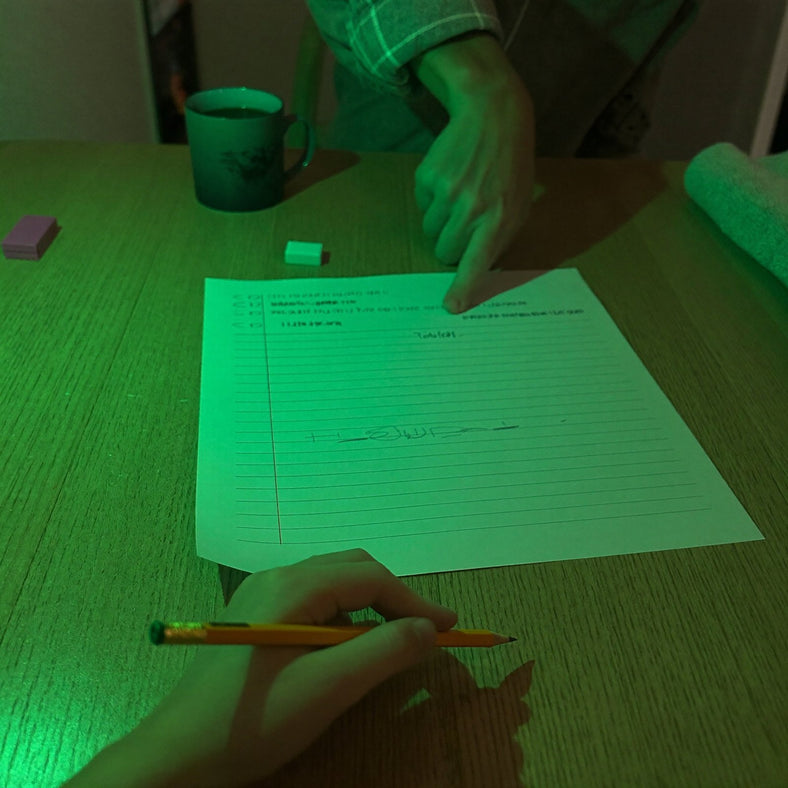
“I am able to read, write, and do homework during attacks.”
Ava Fulton


 520 nm: the migraine wavelength, not a tinted bulb
 Light you can read by, mid-attack
 One touch. No phone, no app, no bright point to look at
 Through an attack, or as a nightly session
Peer-reviewed
Multiple published studies, 2016 to 2025, with population, dose and duration. Footnoted and linked, so you can read them yourself.
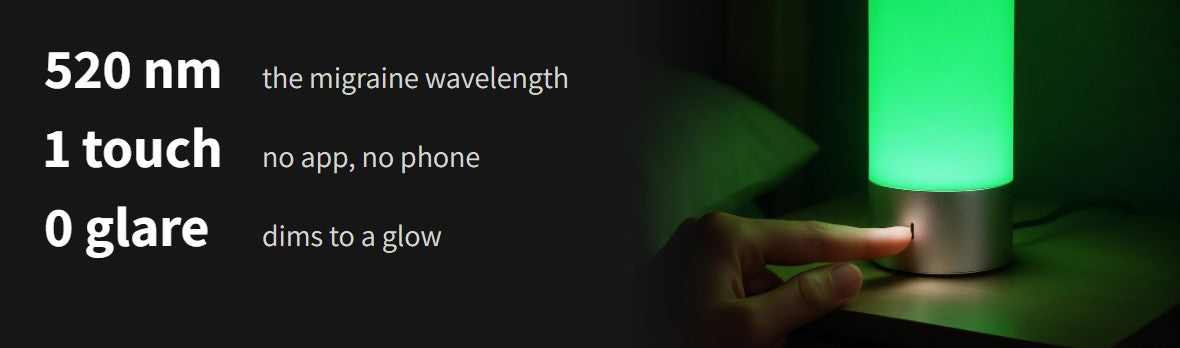
..and that is why Zalune is the light you can stand on a migraine day.
 60-day guarantee
Try it on your next migraine. If it does not work for you, send it back within 60 days for a full refund. 100% risk-free.
Shipping rate and delivery window are shown at checkout.
60-day money-back guarantee: try it on your own migraines and send it back within 60 days if it does not work for you. Full terms in the returns policy.
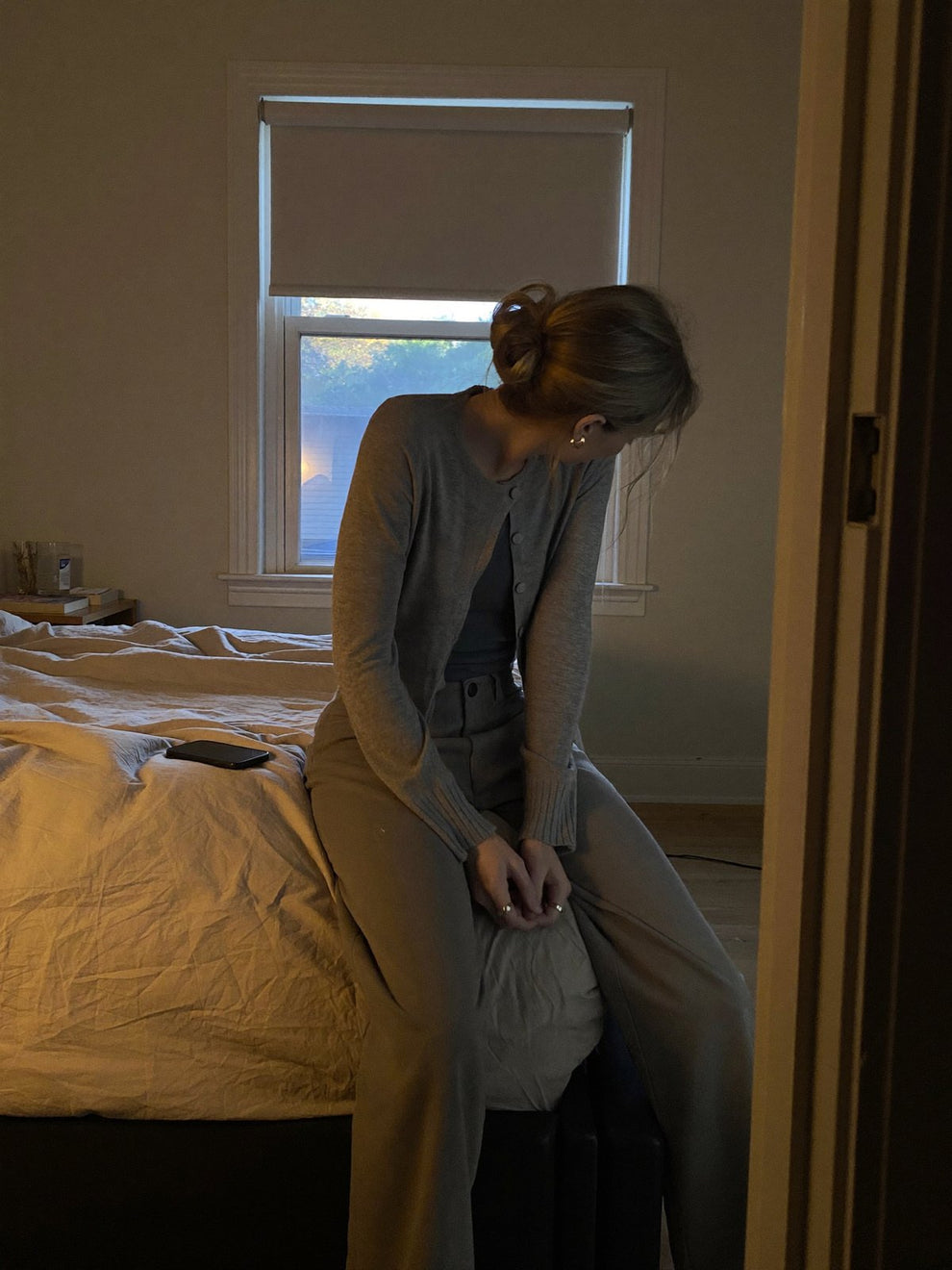
The room on a bad day

In plain words
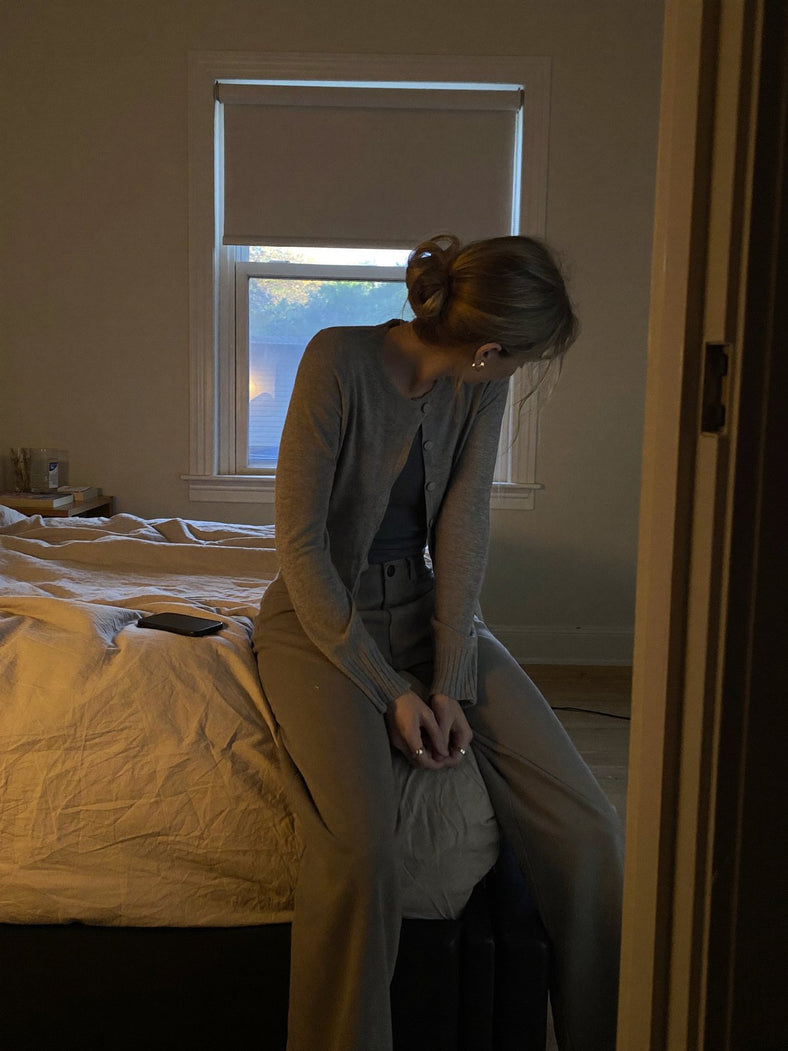
Ordinary light hurts. The overhead goes off, the blinds come down, and the room stops working. You cannot read in the dark, work in it, or get a child through homework in it.
Harvard researchers showed white, blue, green, amber and red light to 41 people mid-migraine. Green was the one colour that did not make the headache worse, and at low brightness it was the one that helped.¹
Red light therapy only works at the right red, 630 to 660 nm. Green light therapy only works at 520 nm. That is the wavelength the migraine studies used, low and close, from a light you sit beside. Zalune is built on it.
A hardware-store green bulb is a white LED behind green plastic: broad spectrum, fixed brightness, on the ceiling. Not 520 nm, not narrow-band, not what the studies used. Zalune is.
The room comes back. Read, work, get the homework done, sit with the people you were about to cancel on. Through an attack, or as a nightly session.
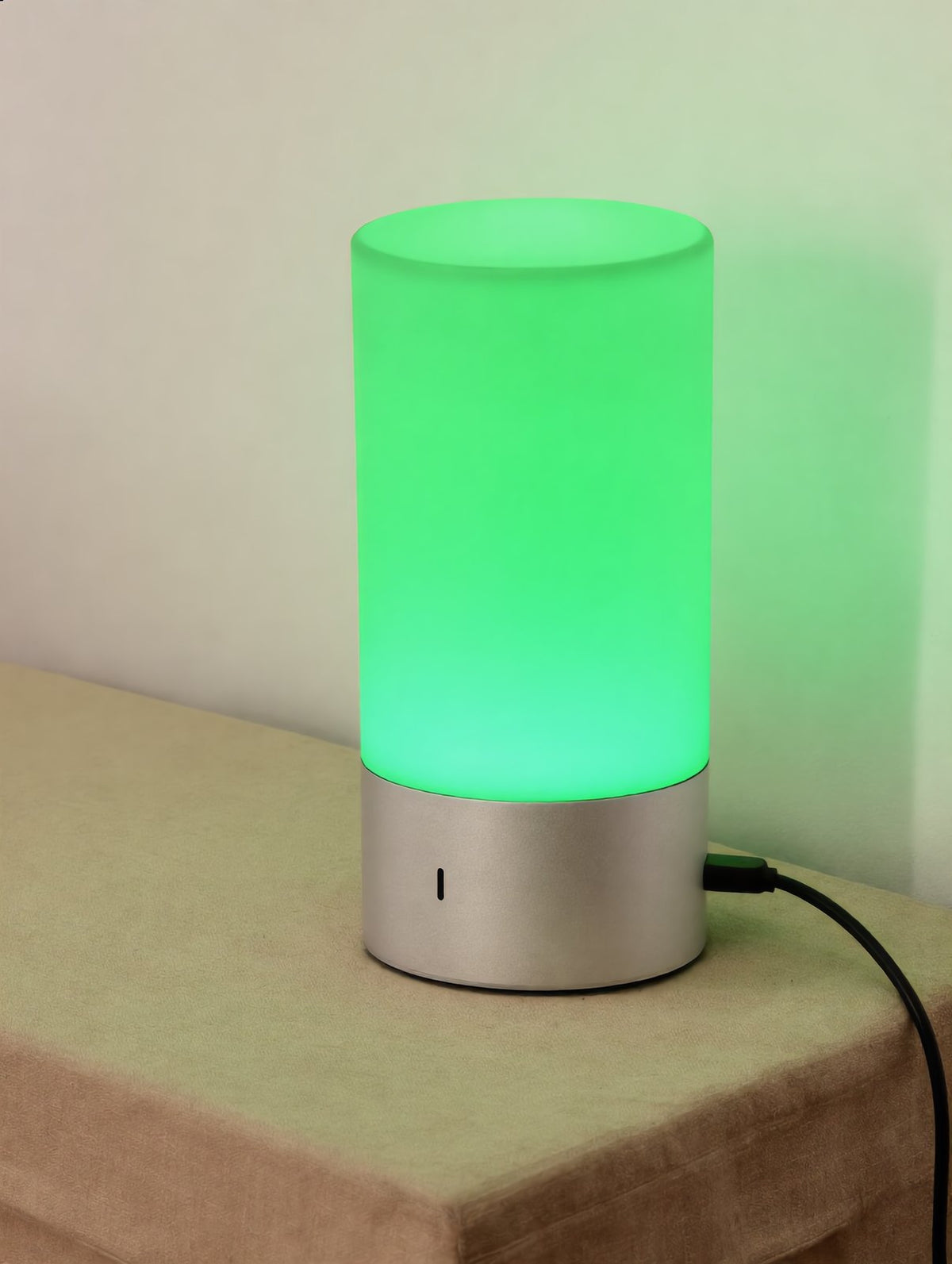
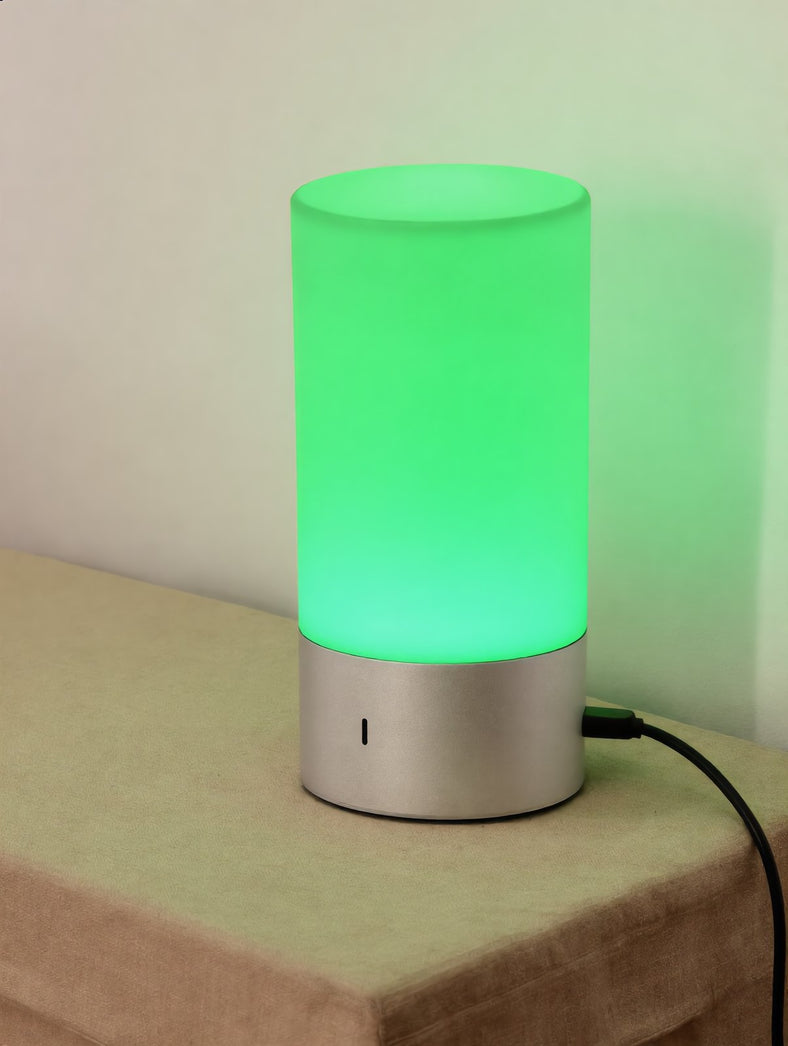
The 520 nm light, dimmable from a glow to reading light, one-touch control on the base, and a guarantee window to try it on your own worst days.
Placement. Brightness. Duration. Three decisions, then you get on with your evening.

Put the light on a desk or nightstand a few feet from where you will sit, so the room is lit by it and not by anything else.

Start low. Bring it up until you can see what you need to see. On a bad day that may be a faint glow. On a better day, enough to read by.

Use it through an attack, or as a nightly session. The studies ran one to two hours a day. Stay as long as you need.

Switch it on, dim it down, and the room is yours again. Low, green, beside you. The first light since the attack started that your head does not fight.
Noseda et al., Harvard, 2016 ¹

Same spot, same low setting, an hour or two with the other lights off. Exactly how the studies used it: in sessions, in a dim room, alongside whatever else you take.
Martin et al., 2021 ² · Lipton et al., 2023 ³

The studies followed people for four, six and ten weeks with daily diaries, and that is where the bigger changes showed up. Keep the routine. Four to ten weeks is the timeline the research used.
Mahmood et al., 2025 ⁴ · all four footnoted under The science, below
Four peer-reviewed studies, footnoted under The science below. Zalune uses the same 520 nm band.
Why 520 nm
Every colour of light sends a signal from your eye to your brain. Harvard researchers recorded those signals in people with migraine. Green sent the smallest.¹
¹ Noseda et al., Brain, 2016. Signals recorded in migraine patients between attacks, with green at 530 ± 10 nm. Illustration, not to scale.
The science
Researchers at a Harvard-affiliated lab showed white, blue, green, amber and red light to 41 people mid-migraine. Green was the one colour that did not make the headache worse.¹
In a University of Arizona study, 29 people used green light (525 ± 10 nm) for one to two hours a day in a dark room for ten weeks, alongside their usual care.²
Researchers at Albert Einstein College of Medicine and Harvard Medical School followed 181 lamp owners through six weeks of diaries: two-hour sessions at 520 ± 10 nm, positioned a few feet behind or above the user.³
A randomized trial at Riphah International University gave people green light (525 ± 10 nm) for one hour, five days a week, for four weeks, alongside prescribed medication.⁴
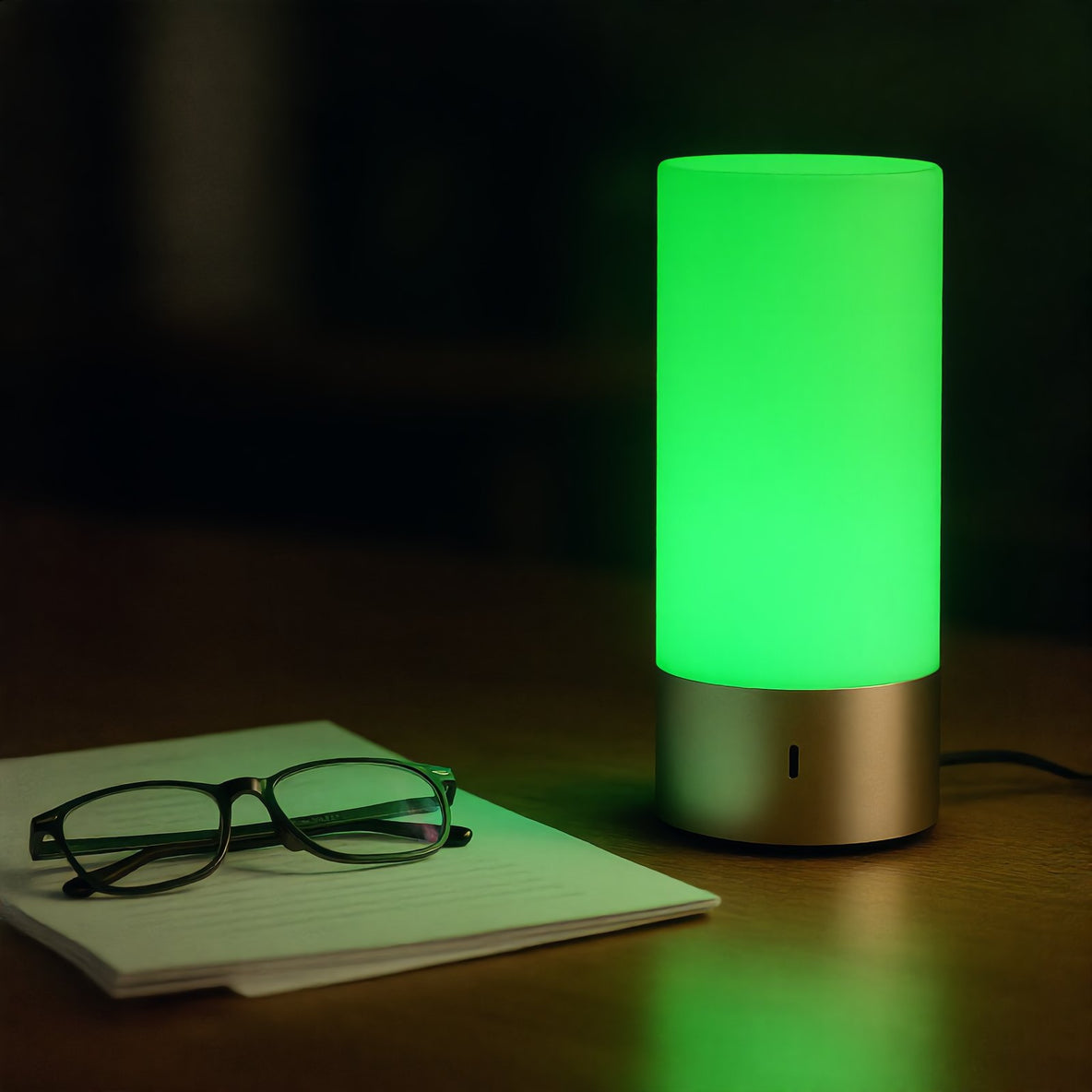
The same 520 nm band
Research-backed 520 nmA light you can stand turns a dark hour into an ordinary evening.
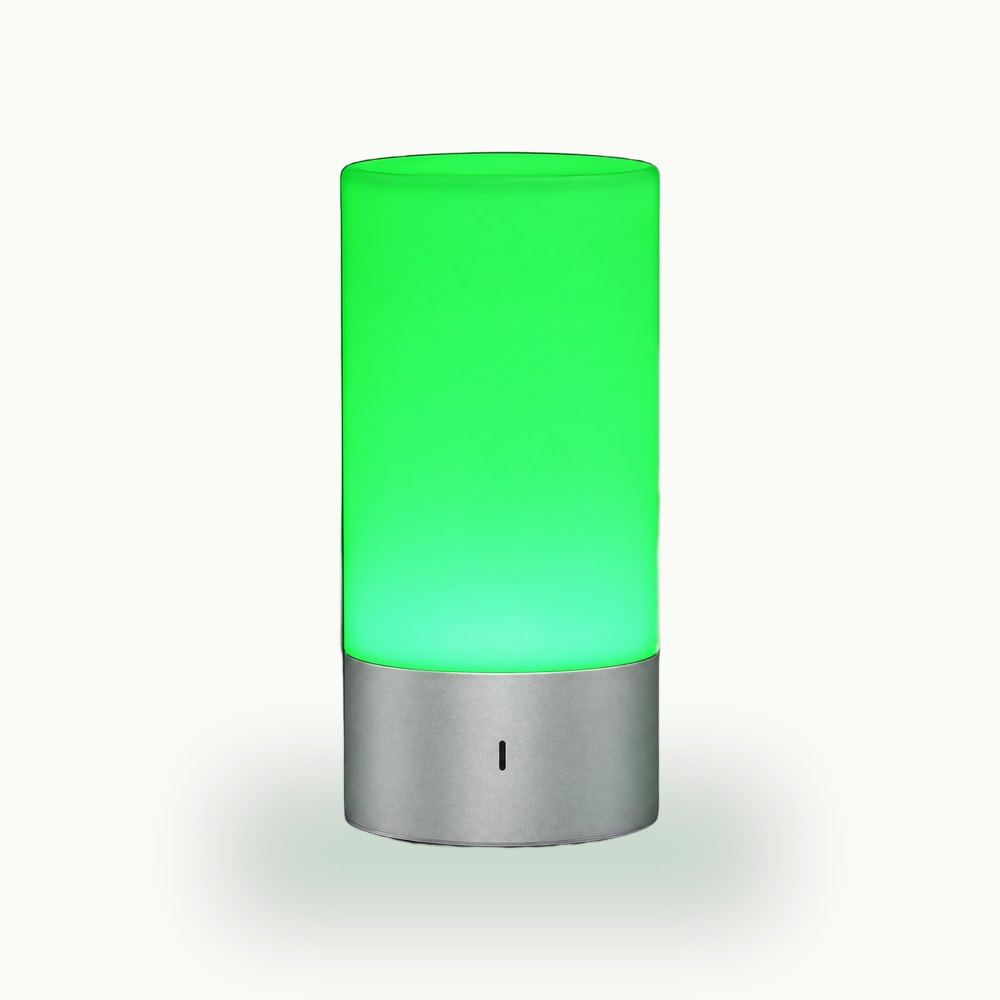
Zalune: 520 nm green light therapy, built on the published migraine studies.
Spec for spec
A $20 green bulb is not green light therapy. Here is the difference, spec for spec.
| Feature |
Zalune
|
Generic green bulb
|
Allay
|
|---|---|---|---|
| 520 nm narrow band | Yes | No — a white LED behind green plastic | Yes |
| Sits beside you, at eye level | Yes | No | Yes |
| Adjustable brightness | Yes | No | Yes |
| Made for migraine light sensitivity | Yes | No | Yes |

On every order in the US
60-day money-back guarantee
Free replacement for any device issue
Colour, brightness and exposure are three different things. Harvard researchers compared five colours of light on people mid-migraine, and green was the one their heads could take. The green that works is 520 nm, the same way red light therapy only works at 630 to 660 nm. Zalune gives you 520 nm at a brightness you control, starting at a glow, from a light you sit beside.
A hardware-store green bulb is a white LED behind green plastic. It is not 520 nm, it is not narrow-band, it is not dimmable, and it lights the room from the ceiling. The studies tested a narrow band, low, beside you. That is what Zalune is built to do.
Green light therapy has multiple published studies behind it, from Harvard to the University of Arizona, 2016 to 2025, all footnoted on this page with links. They tested 520 nm green light in sessions of one to two hours, in a dim room, alongside usual care. Zalune is built on the same 520 nm band.
Place it on a desk or nightstand a few feet from where you will sit, turn the other lights off, and touch the base to switch it on. Start at a glow and bring it up until you can see what you need to. Use it through an attack or as a nightly session, eyes open, for as long as you need. The studies ran one to two hours a session.
The moment it is on. The room comes back and your head stops fighting the light, so you can read, work or sit with people instead of waiting in the dark. Over the weeks, the studies tracked people for four to ten weeks of nightly sessions, and that is where the bigger changes showed up.
Yes. Keep everything that helps and add the light. The studies ran green light alongside people's usual care, and that is how to use it: the room gets a light you can stand, the rest of your plan stays.
Yes. Reading and homework by green light are exactly what people in the research described doing. Screens are their own light source, so turn the screen down and put the green filter on while the Zalune light does the room.
520 nm: the migraine wavelength, not a tinted bulb
Light you can read by, mid-attack
One touch. No phone, no app, no bright point to look at
Through an attack, or as a nightly session
Peer-reviewed
Multiple published studies, 2016 to 2025, with population, dose and duration. Footnoted and linked, so you can read them yourself.
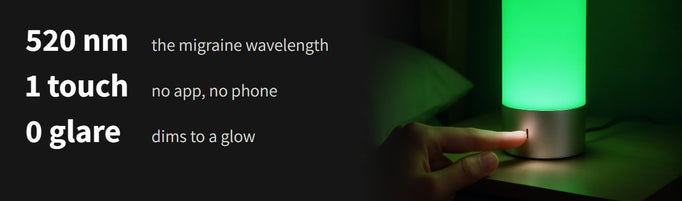
..and that is why Zalune is the light you can stand on a migraine day.
60-day guarantee
Try it on your next migraine. If it does not work for you, send it back within 60 days for a full refund. 100% risk-free.
Shipping rate and delivery window are shown at checkout.
60-day money-back guarantee: try it on your own migraines and send it back within 60 days if it does not work for you. Full terms in the returns policy.
The room on a bad day
In plain words
Ordinary light hurts. The overhead goes off, the blinds come down, and the room stops working. You cannot read in the dark, work in it, or get a child through homework in it.
Harvard researchers showed white, blue, green, amber and red light to 41 people mid-migraine. Green was the one colour that did not make the headache worse, and at low brightness it was the one that helped.¹
Red light therapy only works at the right red, 630 to 660 nm. Green light therapy only works at 520 nm. That is the wavelength the migraine studies used, low and close, from a light you sit beside. Zalune is built on it.
A hardware-store green bulb is a white LED behind green plastic: broad spectrum, fixed brightness, on the ceiling. Not 520 nm, not narrow-band, not what the studies used. Zalune is.
The room comes back. Read, work, get the homework done, sit with the people you were about to cancel on. Through an attack, or as a nightly session.
The 520 nm light, dimmable from a glow to reading light, one-touch control on the base, and a guarantee window to try it on your own worst days.
Placement. Brightness. Duration. Three decisions, then you get on with your evening.

Put the light on a desk or nightstand a few feet from where you will sit, so the room is lit by it and not by anything else.

Start low. Bring it up until you can see what you need to see. On a bad day that may be a faint glow. On a better day, enough to read by.

Use it through an attack, or as a nightly session. The studies ran one to two hours a day. Stay as long as you need.

Switch it on, dim it down, and the room is yours again. Low, green, beside you. The first light since the attack started that your head does not fight.
Noseda et al., Harvard, 2016 ¹

Same spot, same low setting, an hour or two with the other lights off. Exactly how the studies used it: in sessions, in a dim room, alongside whatever else you take.
Martin et al., 2021 ² · Lipton et al., 2023 ³

The studies followed people for four, six and ten weeks with daily diaries, and that is where the bigger changes showed up. Keep the routine. Four to ten weeks is the timeline the research used.
Mahmood et al., 2025 ⁴ · all four footnoted under The science, below
Four peer-reviewed studies, footnoted under The science below. Zalune uses the same 520 nm band.
Why 520 nm
Every colour of light sends a signal from your eye to your brain. Harvard researchers recorded those signals in people with migraine. Green sent the smallest.¹
¹ Noseda et al., Brain, 2016. Signals recorded in migraine patients between attacks, with green at 530 ± 10 nm. Illustration, not to scale.
The science
Researchers at a Harvard-affiliated lab showed white, blue, green, amber and red light to 41 people mid-migraine. Green was the one colour that did not make the headache worse.¹
In a University of Arizona study, 29 people used green light (525 ± 10 nm) for one to two hours a day in a dark room for ten weeks, alongside their usual care.²
Researchers at Albert Einstein College of Medicine and Harvard Medical School followed 181 lamp owners through six weeks of diaries: two-hour sessions at 520 ± 10 nm, positioned a few feet behind or above the user.³
A randomized trial at Riphah International University gave people green light (525 ± 10 nm) for one hour, five days a week, for four weeks, alongside prescribed medication.⁴

The same 520 nm band
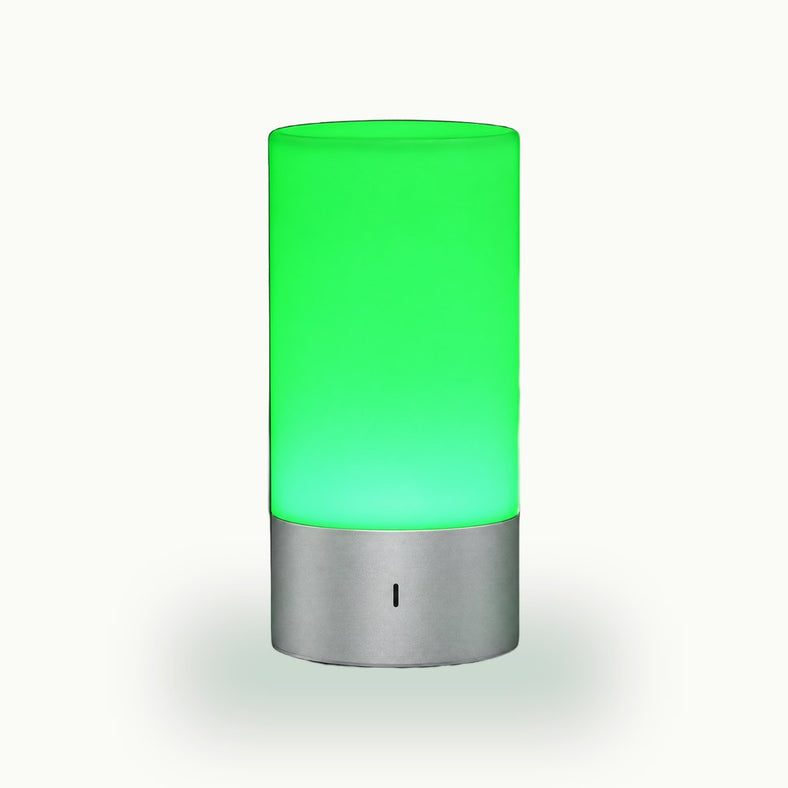
Research-backed 520 nmA light you can stand turns a dark hour into an ordinary evening.
Zalune: 520 nm green light therapy, built on the published migraine studies.
Spec for spec
A $20 green bulb is not green light therapy. Here is the difference, spec for spec.
| Feature |
Zalune
|
Generic green bulb
|
Allay
|
|---|---|---|---|
| 520 nm narrow band | Yes | No — a white LED behind green plastic | Yes |
| Sits beside you, at eye level | Yes | No | Yes |
| Adjustable brightness | Yes | No | Yes |
| Made for migraine light sensitivity | Yes | No | Yes |
On every order in the US
60-day money-back guarantee
Free replacement for any device issue
Colour, brightness and exposure are three different things. Harvard researchers compared five colours of light on people mid-migraine, and green was the one their heads could take. The green that works is 520 nm, the same way red light therapy only works at 630 to 660 nm. Zalune gives you 520 nm at a brightness you control, starting at a glow, from a light you sit beside.
A hardware-store green bulb is a white LED behind green plastic. It is not 520 nm, it is not narrow-band, it is not dimmable, and it lights the room from the ceiling. The studies tested a narrow band, low, beside you. That is what Zalune is built to do.
Green light therapy has multiple published studies behind it, from Harvard to the University of Arizona, 2016 to 2025, all footnoted on this page with links. They tested 520 nm green light in sessions of one to two hours, in a dim room, alongside usual care. Zalune is built on the same 520 nm band.
Place it on a desk or nightstand a few feet from where you will sit, turn the other lights off, and touch the base to switch it on. Start at a glow and bring it up until you can see what you need to. Use it through an attack or as a nightly session, eyes open, for as long as you need. The studies ran one to two hours a session.
The moment it is on. The room comes back and your head stops fighting the light, so you can read, work or sit with people instead of waiting in the dark. Over the weeks, the studies tracked people for four to ten weeks of nightly sessions, and that is where the bigger changes showed up.
Yes. Keep everything that helps and add the light. The studies ran green light alongside people's usual care, and that is how to use it: the room gets a light you can stand, the rest of your plan stays.
Yes. Reading and homework by green light are exactly what people in the research described doing. Screens are their own light source, so turn the screen down and put the green filter on while the Zalune light does the room.